The European Itinerary I’d Plan for Myself This Summer
For travelers who want beauty, depth, and a European trip that feels intentional — not rushed.
Europe has a way of lingering in your memory long after you return home. But the trips that stay with you most are rarely the ones built around checking landmarks off a list. They’re the ones with balance: iconic cities paired with places you didn’t expect to love, mornings without alarms, dinners that stretch late into the evening, and enough time in each destination to actually experience it.
Every year, I speak with travelers who know they want to visit Europe, but aren’t quite sure how to shape the trip into something that flows naturally. They want to experience Europe well — not race through it.
If I were planning my own European summer itinerary right now, this is exactly how I’d do it.
Begin in Paris — and Stay Long Enough to Feel It
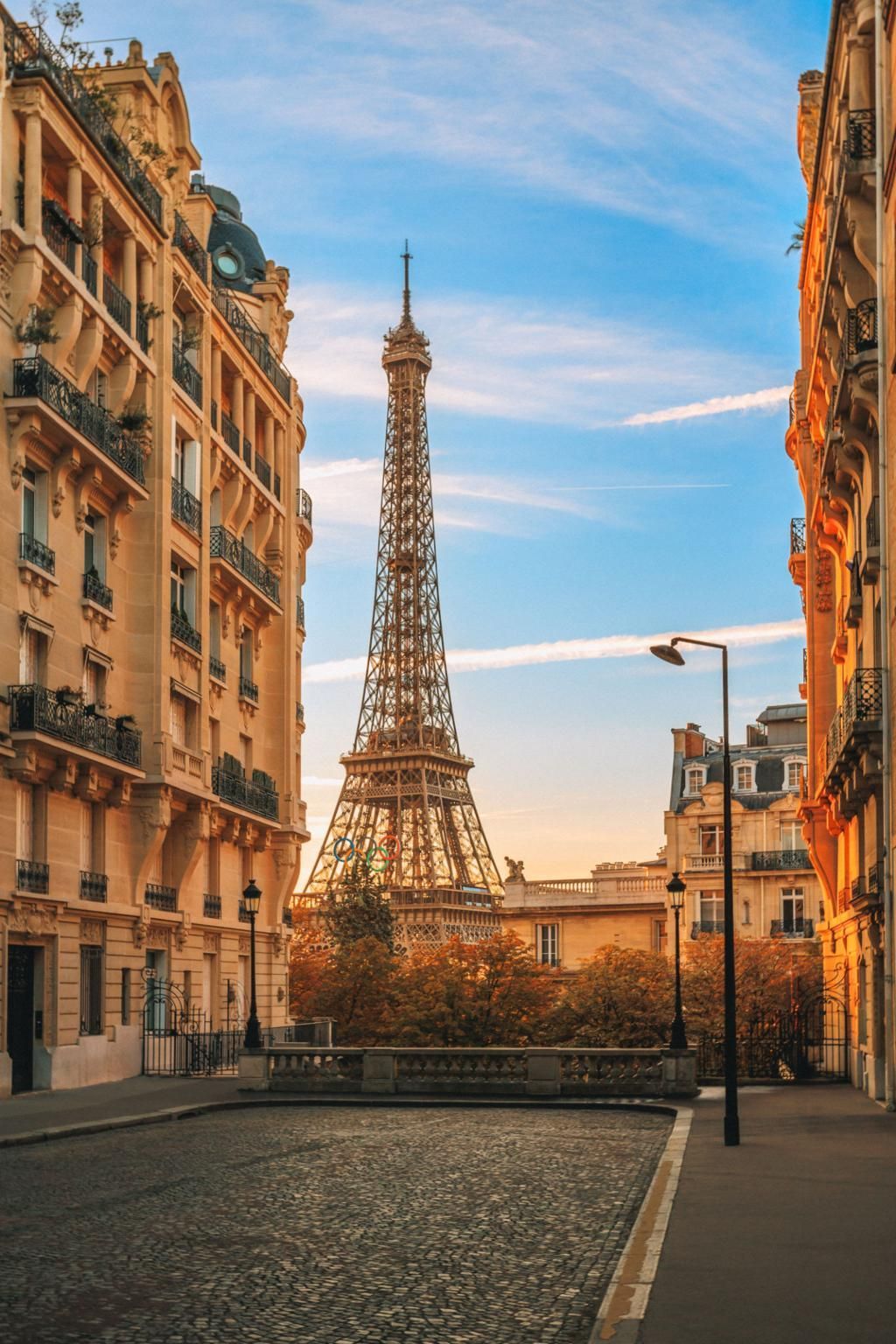
There’s a reason Paris remains one of the world’s most beloved cities — but the magic of Paris only reveals itself when you slow down.
Two nights gives you highlights. Five nights gives you atmosphere.
If I were choosing where to stay, it would be the 7th arrondissement. While visitors often gravitate toward the Marais or the Champs-Élysées area, the 7th feels more residential and quietly elegant. It’s the Paris of neighborhood cafés, flower-lined streets, corner fromageries, and lingering dinners.
Of course, first-time visitors should see icons like the Louvre Museum and the Musée d'Orsay. But the moments that truly stay with you are usually the quieter ones:
- A slow morning at the Marché Raspail
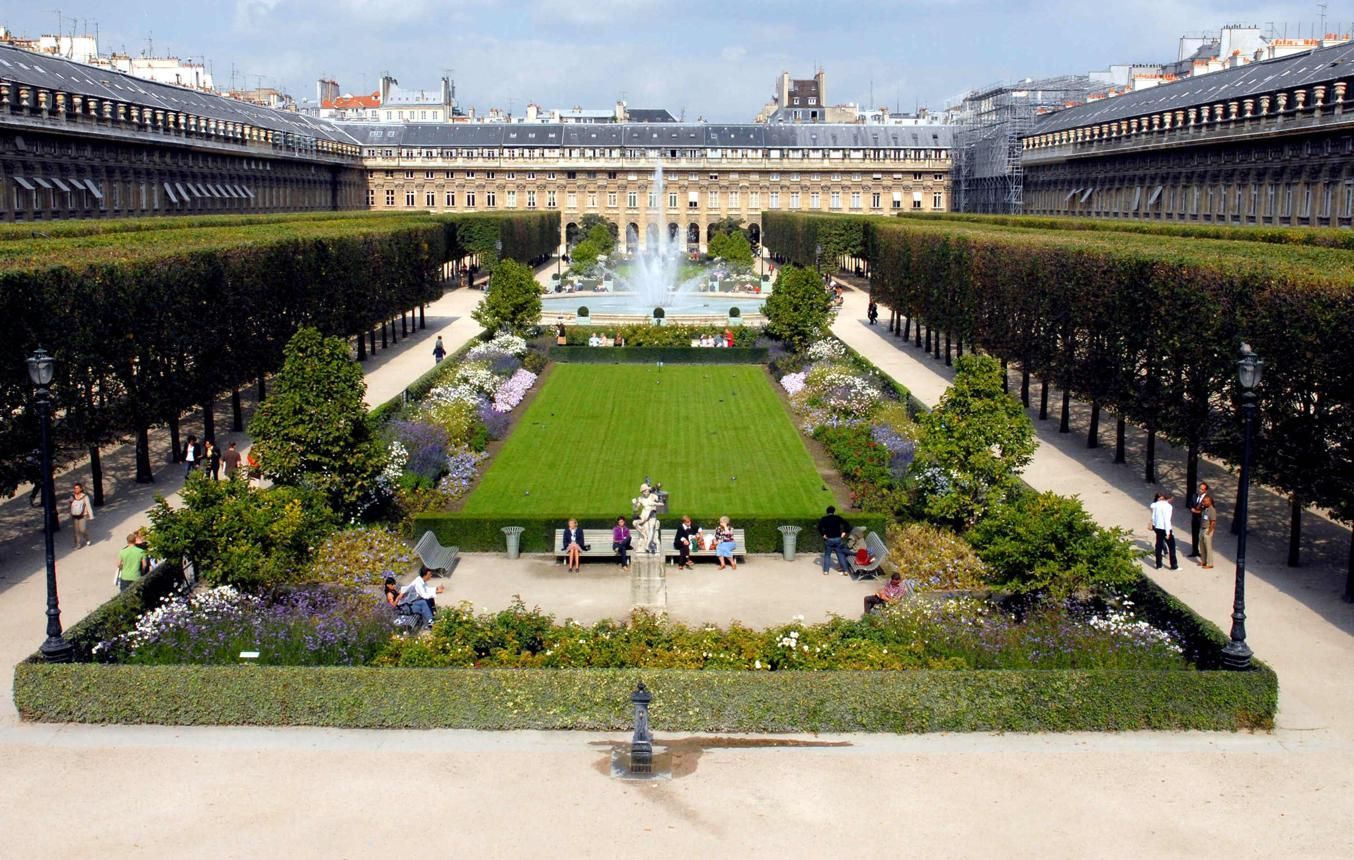
- Sitting in the gardens at the Palais Royal
- Finding a small bistro where the menu changes daily
- Watching Paris wake up from a café terrace before the city fills for the day
That’s the difference between simply visiting Paris and actually experiencing it.
Continue South to France’s Loire Valley
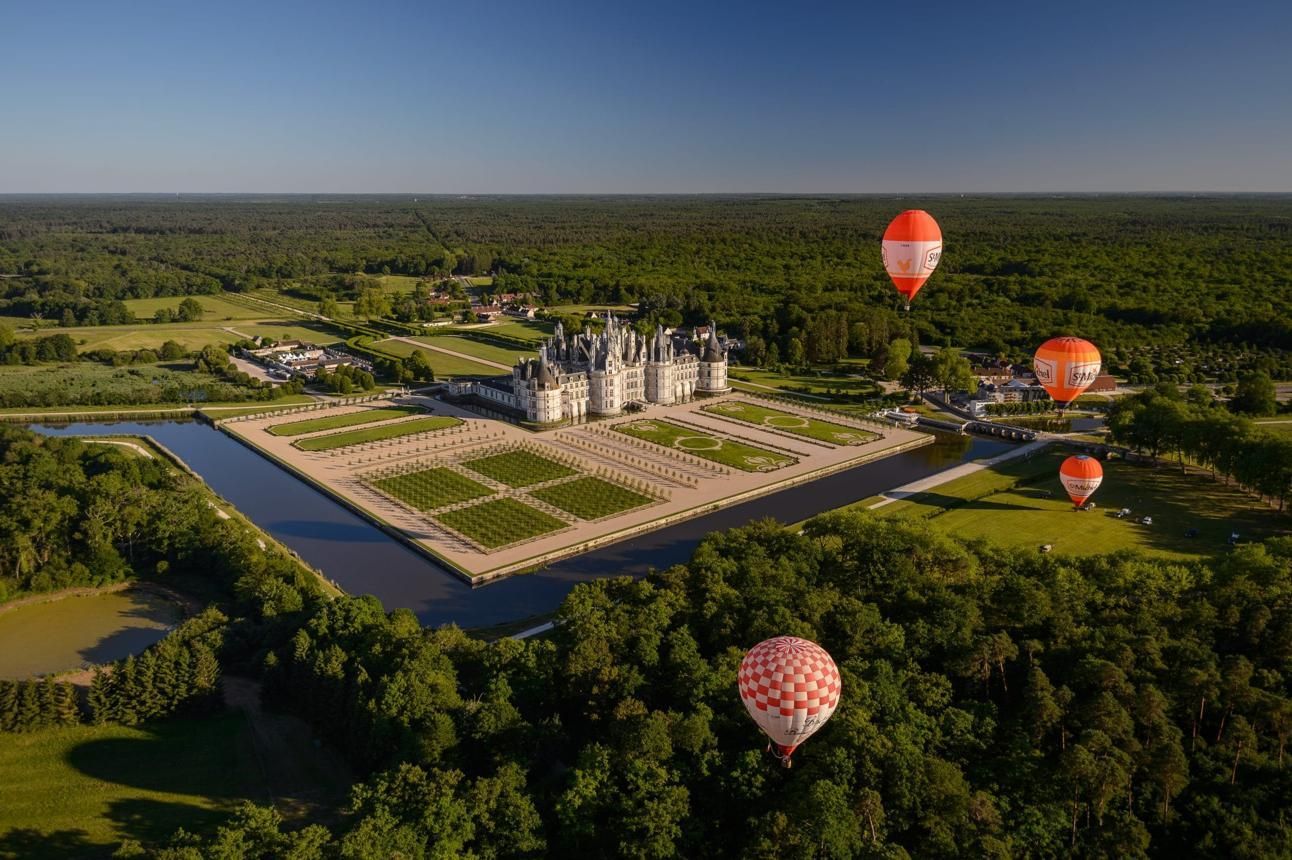
Instead of immediately heading to Italy, I’d slow the pace and spend a few days in the Loire Valley.
Just a couple of hours south of Paris by train, the Loire feels entirely different — softer, quieter, and deeply connected to French history and wine culture.
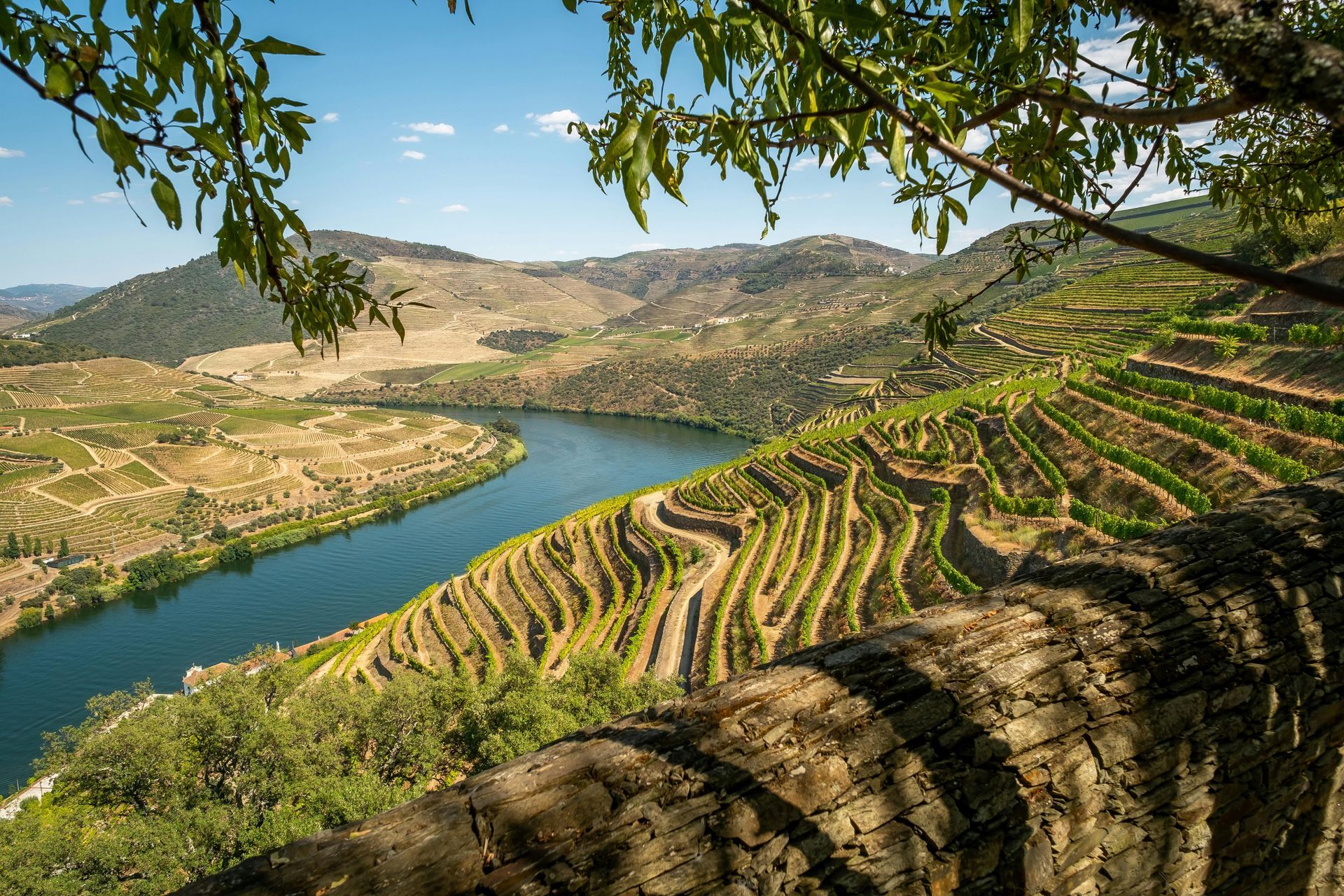
This region is best explored slowly, ideally by car over several days. The scenery shifts between vineyards, riverside villages, and extraordinary Renaissance châteaux.
Two standout stops:
- Château de Chambord — famous for its dramatic architecture and the double-helix staircase often connected to Leonardo da Vinci
- Château de Chenonceau — elegantly spanning the Cher River in one of the most picturesque settings in France
The wine here deserves just as much attention as the castles. The Loire produces exceptional whites, including Sancerre and Pouilly-Fumé, alongside crisp coastal-style wines that pair beautifully with long summer lunches.
For a base, I’d choose Amboise — charming, walkable, and home to the Clos Lucé, where Leonardo da Vinci spent the final years of his life.
Northern Italy Done Properly: Bologna & Emilia-Romagna
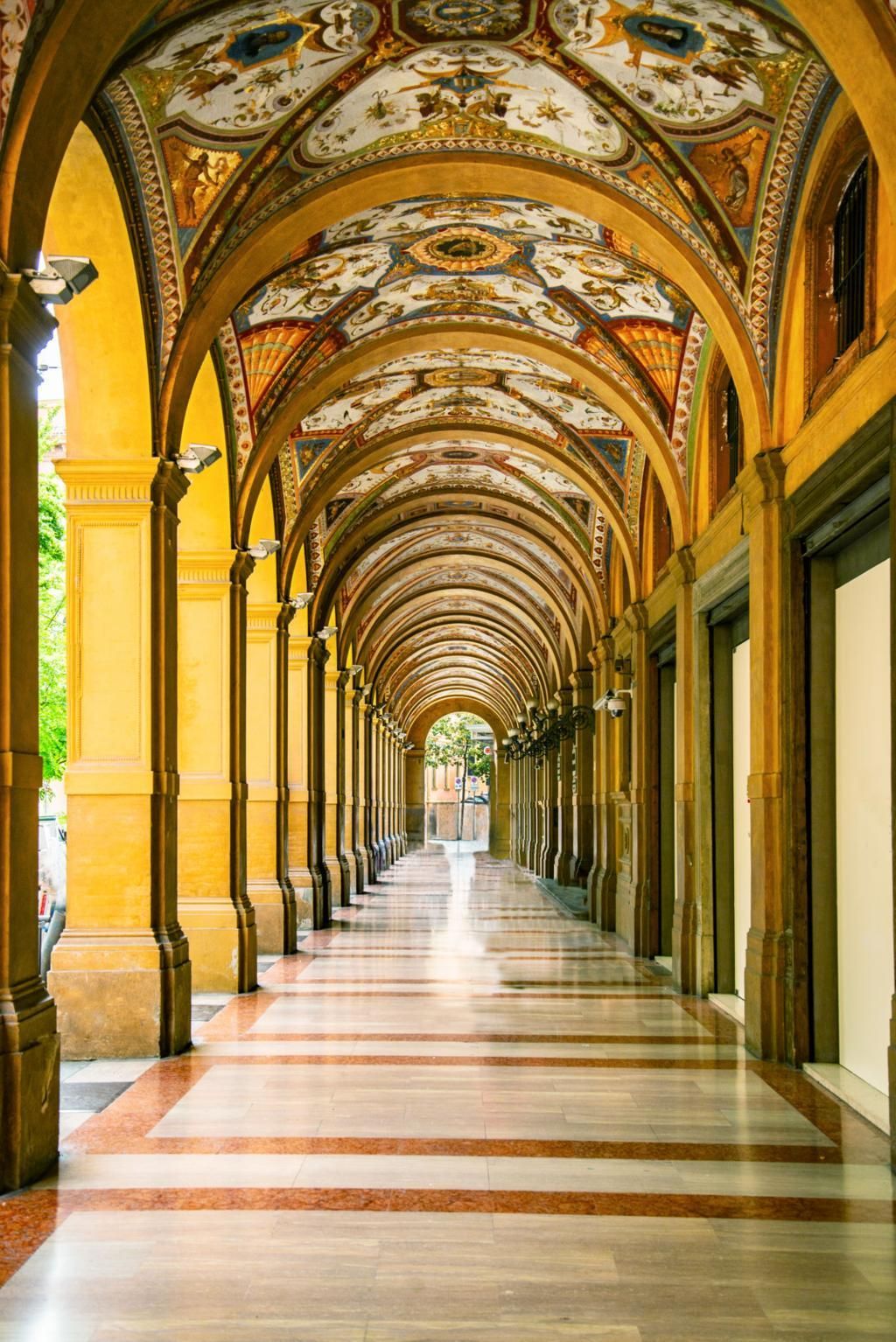
Most travelers planning Italy head directly to Rome, Florence, or Venice.
I’d go to Bologna first.
Bologna is one of Italy’s most underrated cities — and one of its best for travelers who value authenticity, food, and atmosphere over crowds.
Located in the heart of the Emilia-Romagna region, Bologna is the birthplace of:
- Parmigiano-Reggiano
- Prosciutto di Parma
- Traditional ragù
The city itself feels lived in rather than staged for tourism. Covered porticoes stretch for miles throughout the historic center, protecting pedestrians from both summer heat and afternoon rain. Medieval towers lean above terracotta rooftops, while students from one of the world’s oldest universities keep the city energetic year-round.
Three nights here is ideal.
Spend your days:
- Wandering through medieval streets
- Eating long lunches
- Taking food-focused day trips
- Enjoying aperitivo in lively piazzas
- Exploring at a pace that actually allows Italy to sink in
This is the kind of destination that experienced travelers often end up loving most.
Finish in the Cinque Terre — Briefly and Intentionally
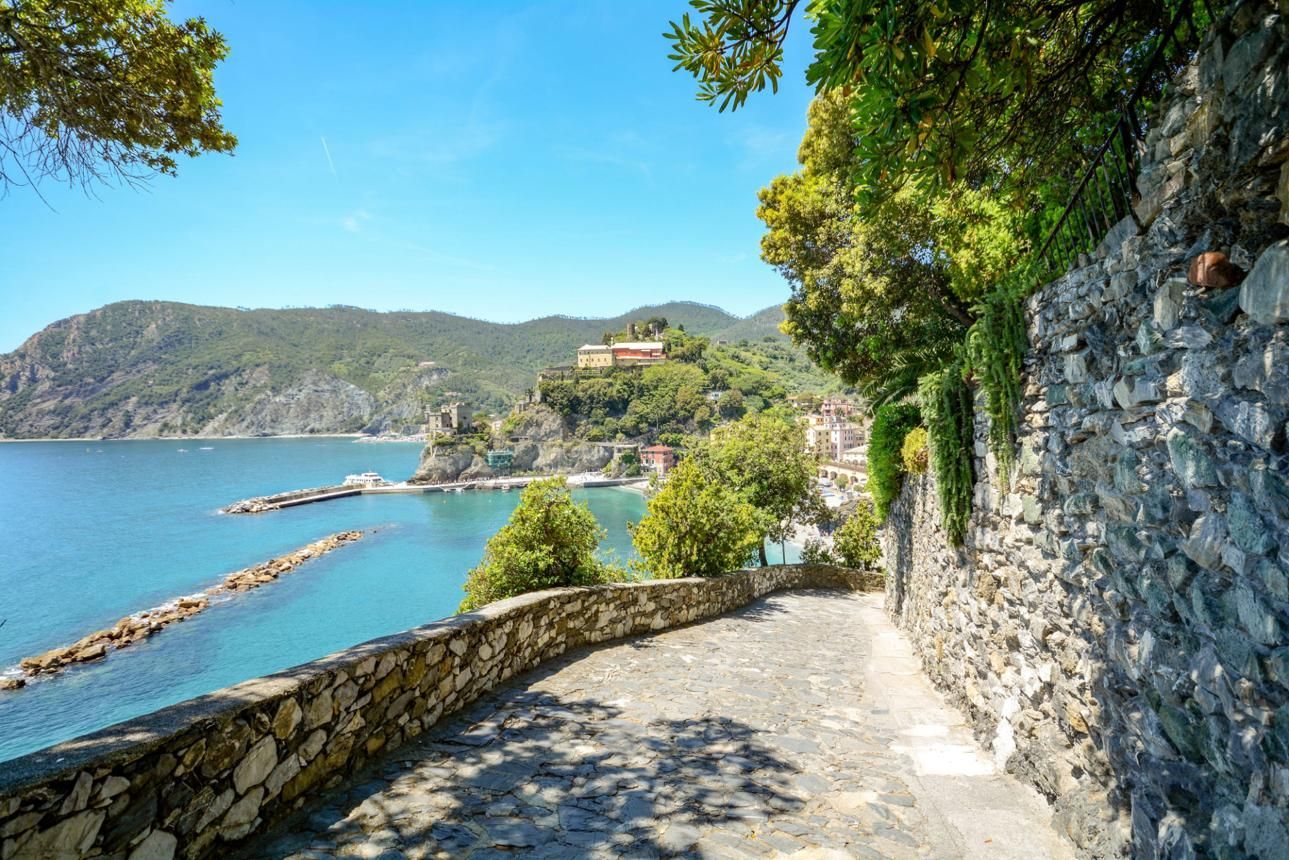
The final stop would be the Cinque Terre — but with a strategy.
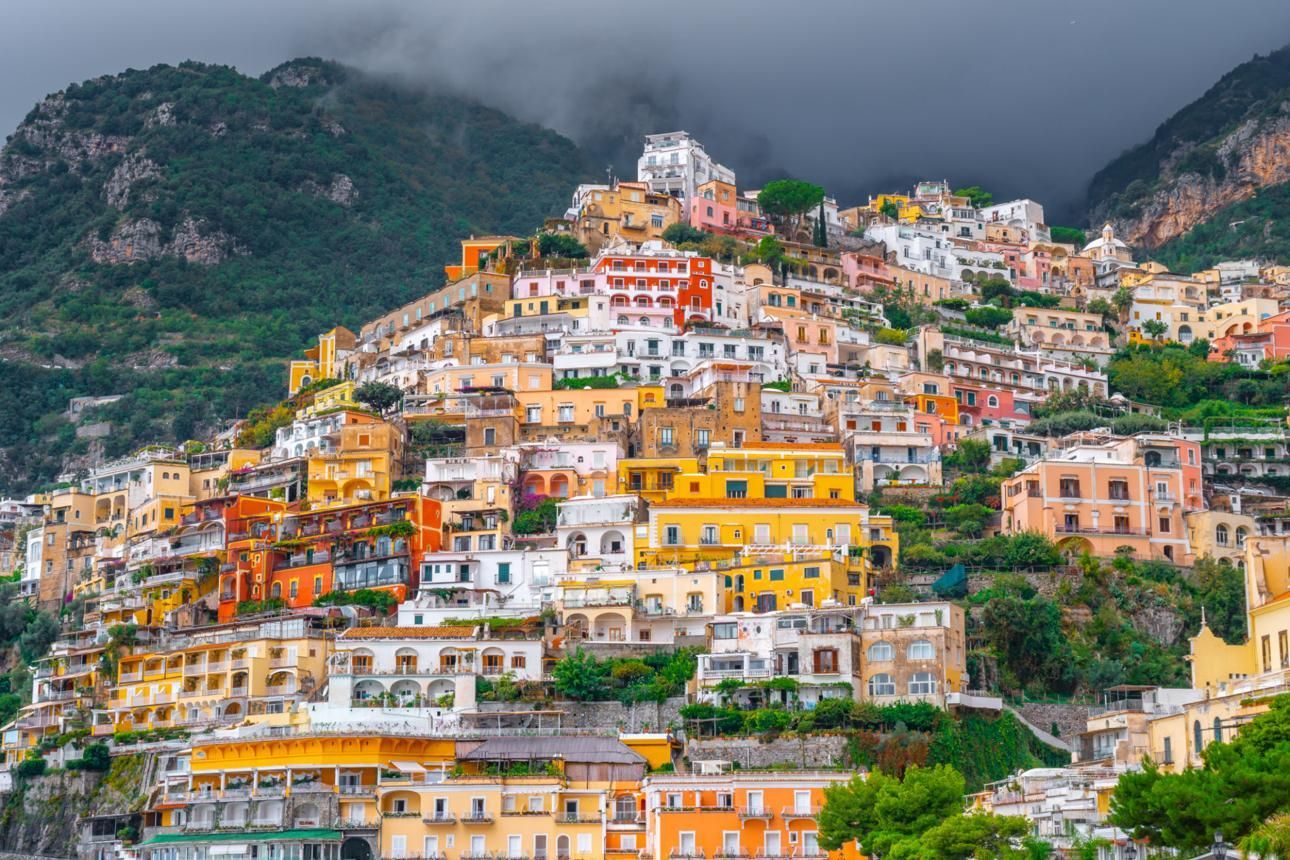
Yes, the villages are beautiful. The dramatic cliffs, colorful buildings, and Mediterranean views absolutely deserve their reputation.
But in peak summer, they can also become overwhelmingly crowded.
The key is not staying directly inside the busiest villages.
Instead, I’d stay in:
- Levanto
- or La Spezia
Both provide easy train access while allowing you to experience the region more comfortably.
The best approach is to visit the villages early in the morning before the day-trip crowds arrive from Florence and Milan.
Two nights is perfect.
One of the most rewarding experiences in the area is the coastal hike between Vernazza and Corniglia, especially in the early morning light when the vineyards glow above the sea.
It’s the ideal ending to a thoughtfully paced European itinerary.
Frequently Asked Questions
What is the best European itinerary for summer travel?
A well-designed European itinerary balances iconic destinations with lesser-known experiences while allowing enough time in each place to enjoy it fully. A Paris–Loire Valley–Bologna–Cinque Terre route offers an ideal combination of culture, food, scenery, and pace for a 12–14 day trip.
How many countries should a European summer trip include?
For a two-week trip, two to three countries is usually the sweet spot. Trying to see too much often results in spending more time in airports and train stations than actually enjoying Europe.
Traveling deeper rather than wider almost always creates a more meaningful experience.
When is the best time to visit Europe in summer?
Late May through mid-June is one of the best times to travel to Europe:
- Warm weather
- Long daylight hours
- Fewer crowds
- Better pricing than peak summer
September is another excellent option and often overlooked.
July through mid-August tends to bring the highest prices and largest crowds throughout Europe.
How do you avoid crowds in Europe?
A few simple strategies make a major difference:
- Visit major attractions before 9am
- Stay just outside the busiest tourist centers
- Prioritize slower-paced destinations
- Balance famous cities with places most travelers overlook
Small adjustments completely change the feel of a trip.
How I Help You Experience Europe More Thoughtfully
For a trip involving multiple countries, trains, hotels, and logistics, working with a knowledgeable travel advisor can make the experience significantly smoother.
The value isn’t just in booking hotels and transportation — it’s in designing the trip so it flows naturally, fits your travel style, and avoids the common mistakes that can make Europe feel exhausting instead of enjoyable.
Ready to Plan Your Own European Summer?
Europe rewards travelers who approach it thoughtfully.
The difference between a rushed itinerary and a well-curated one shows up everywhere — in the pace of the trip, the quality of the experiences, and the moments that feel personal rather than overly touristic.
If Europe is on your list this year, I’d love to help you create something tailored to the way you want to travel.
Schedule a call to start planning your next chapter abroad.