What Can You Expect On a European River Cruise?
A Complete Guide to Intimate, Unforgettable Travel
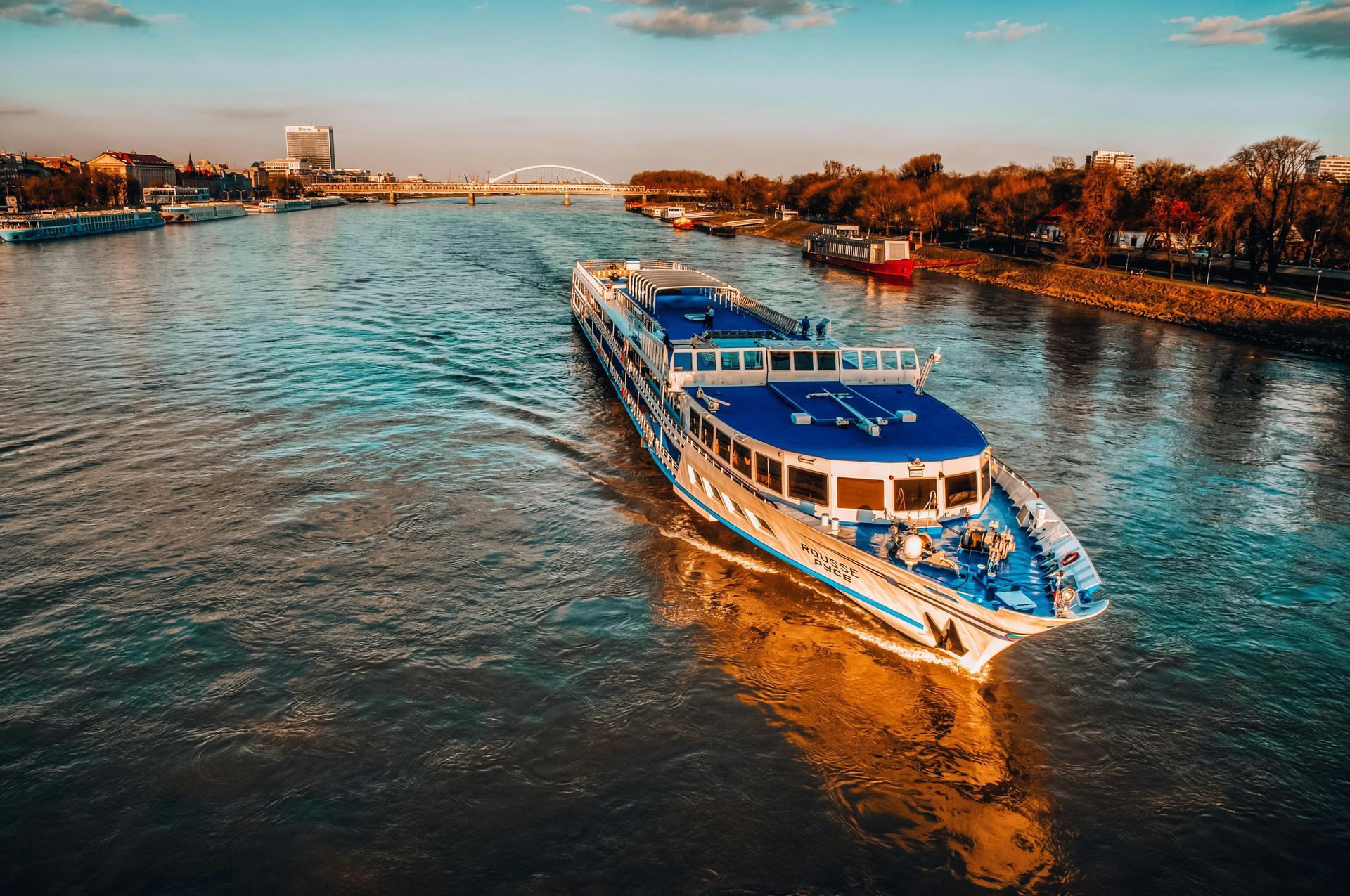
There's something magical about waking up in a new European city without ever unpacking your bags. Your floating hotel glides silently down a centuries-old waterway, medieval castles drift past your cabin window, and by evening, you're sipping local wine at a riverside café in a village most tourists never reach. This is the essence of a European river cruise—and it's nothing like the mega-ship ocean cruising experience you might be imagining.
If you've been curious about river cruising but unsure what to expect, you're in the right place. Whether you're planning your first river adventure or you're a seasoned cruiser looking for something more intimate, this guide will walk you through everything that makes European river cruising such a transformative way to travel.
The River Cruise Difference: Intimacy Over Scale
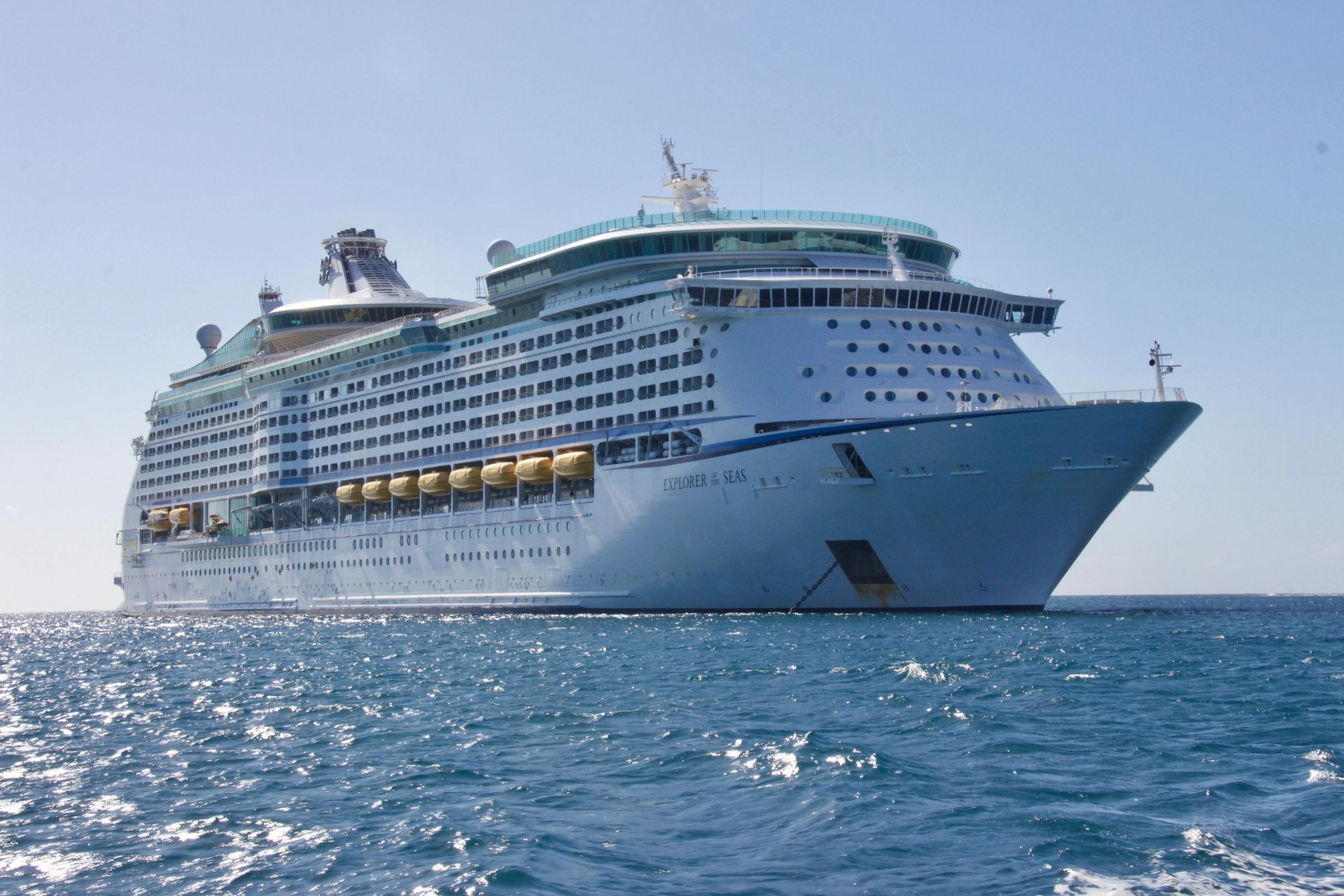
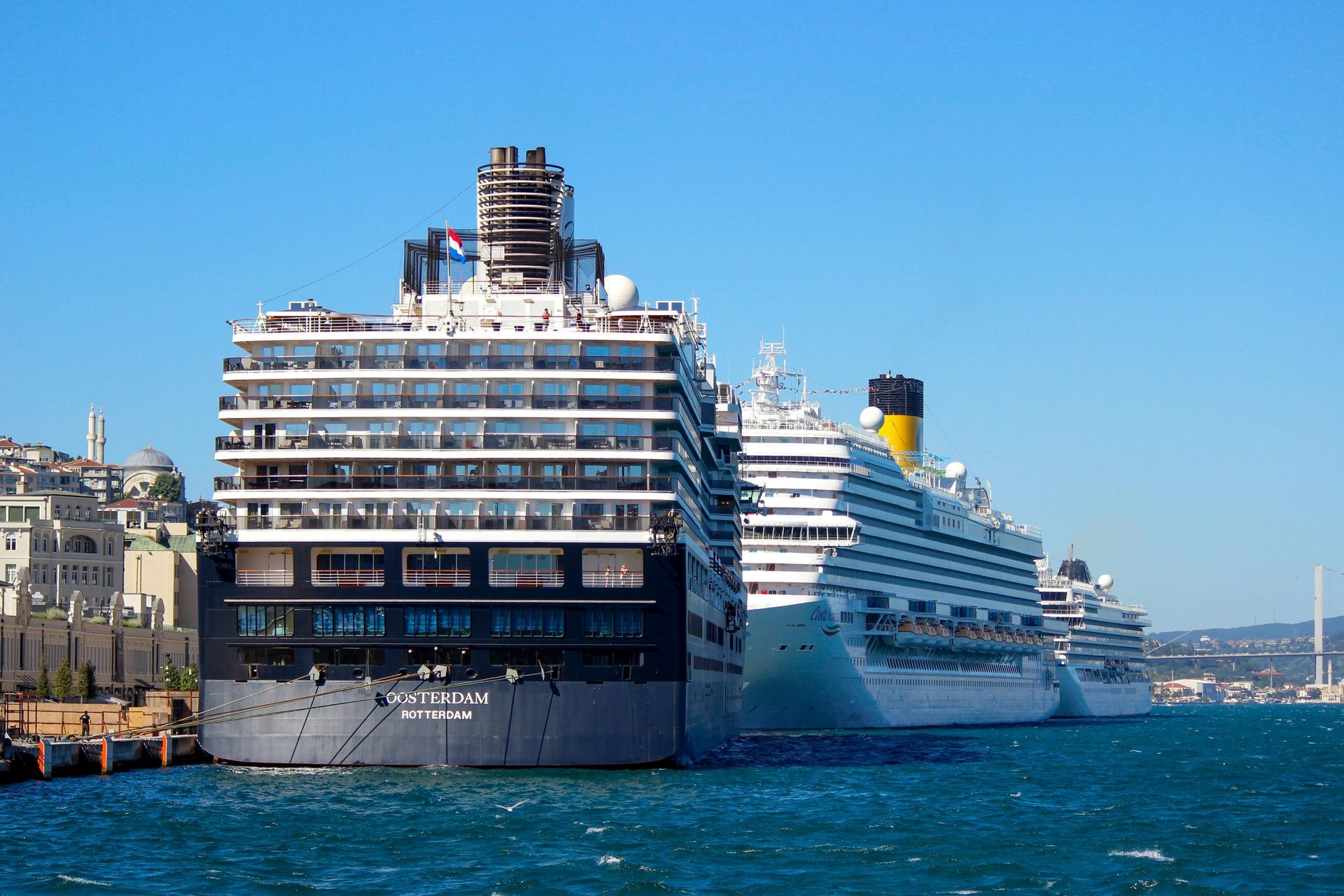
Let's start with what sets river cruising apart. Ocean cruise ships can carry 5,000+ passengers. River cruise ships? Typically between 100 and 400 guests. That difference changes everything.
On a river cruise, you'll actually recognize faces. The crew learns your name. You're not waiting in line for dinner or competing for deck space. Instead, you experience a curated, intimate journey where the focus is on immersion rather than entertainment spectacle.
The pace is slower, too—intentionally so. While ocean cruises focus on the ship as the destination, river cruises are all about the ports and the waterways themselves. You'll spend full days in major cities and meaningful time in smaller towns. Some mornings, you might wake up in a UNESCO World Heritage site. The ship becomes your comfortable base, not your primary attraction.
For couples seeking connection and cultural depth, this is the sweet spot. You have the convenience of a cruise (no packing and unpacking, all-inclusive meals, no driving stress) combined with the authentic travel experience of staying put long enough to actually know a place.
What Awaits You Onboard
Let's talk about your floating home. River cruise ships are designed for comfort and elegance, not glitz. Think refined European charm rather than Vegas-style spectacle.
Accommodations are typically smaller than ocean cruise cabins but thoughtfully appointed. Most feature large windows—often panoramic—so you're never disconnected from the scenery. Many suites include private balconies or French doors opening onto the water. You'll find quality linens, modern bathrooms, and amenities that feel more like a boutique hotel than a ship.
Dining is a highlight. River cruises usually offer open-seating restaurants where you can dine with whomever you choose (or enjoy an intimate table for two). Menus feature regional cuisine and locally sourced ingredients. Many lines include wine and beer with dinner—a nice touch that reflects the sophistication of the experience. Special dinners often showcase the culinary traditions of the region you're traveling through.
Entertainment is understated and culturally focused. Rather than Broadway-style productions, you'll find lectures from local historians, cooking demonstrations, wine tastings, and performances by regional musicians. Some evenings feature classical music in the lounge or a pianist during dinner. It's refined without being stuffy.
Amenities vary by ship and line, but most include a fitness center, spa facilities, a library, and multiple lounges. The atmosphere encourages mingling and relaxation over structured activities. You won't find rock climbing walls or water slides—instead, you have space to read, connect with fellow travelers, and simply enjoy the journey.
The Four Iconic European River Routes
The Danube: Where History Meets Elegance
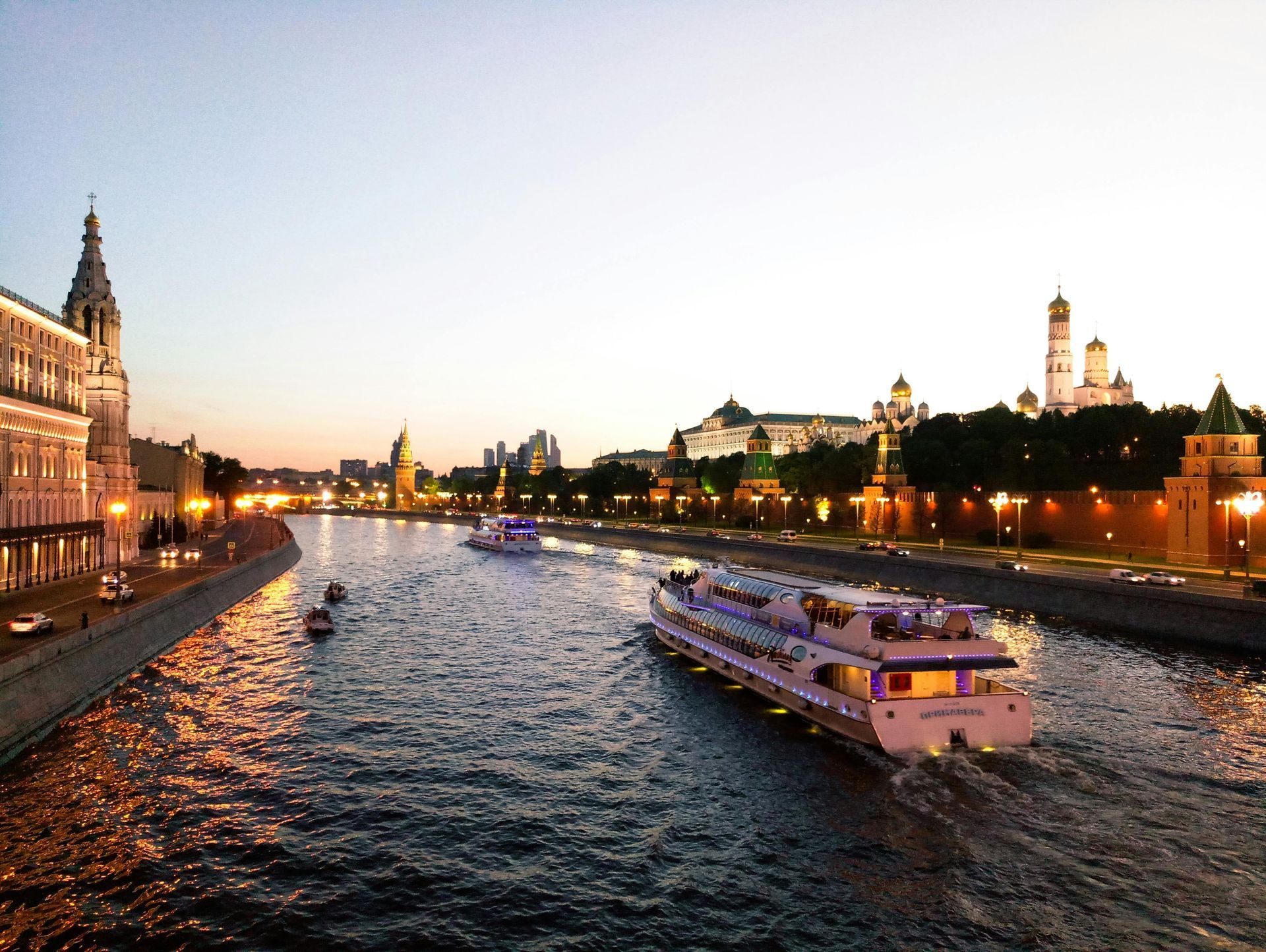
The Danube is arguably Europe's most storied river, flowing through ten countries and connecting some of the continent's most enchanting cities. A typical itinerary includes Vienna, Budapest, and Bratislava—each a masterpiece of architecture and culture.
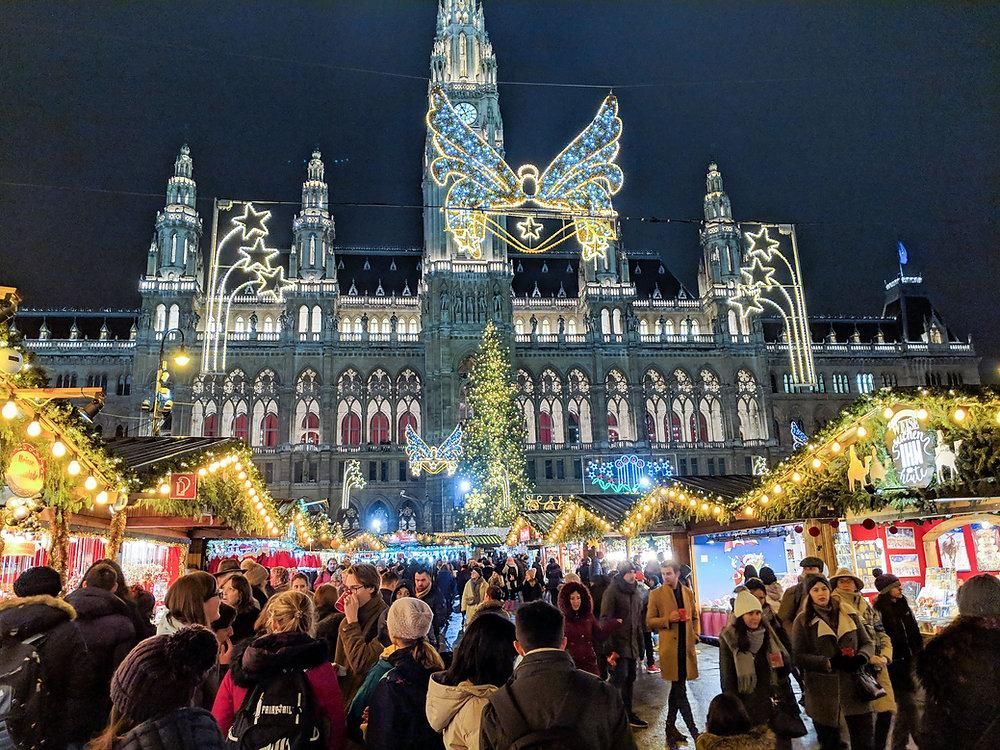
Vienna captivates with imperial palaces and world-class museums. Budapest stuns with its thermal baths and the dramatic Parliament building illuminated at night. Smaller stops along the way—perhaps Melk, with its stunning monastery perched above the river, or Dürnstein, a fairy-tale village tucked into the Wachau Valley—offer glimpses of authentic Central European life.
The Danube route is perfect for couples who love history, classical music, and sophisticated city exploration. Many travelers pair a Danube cruise with a few days in Prague before or after, extending the Central European experience.
The Rhine: Castles, Vineyards, and Timeless Villages
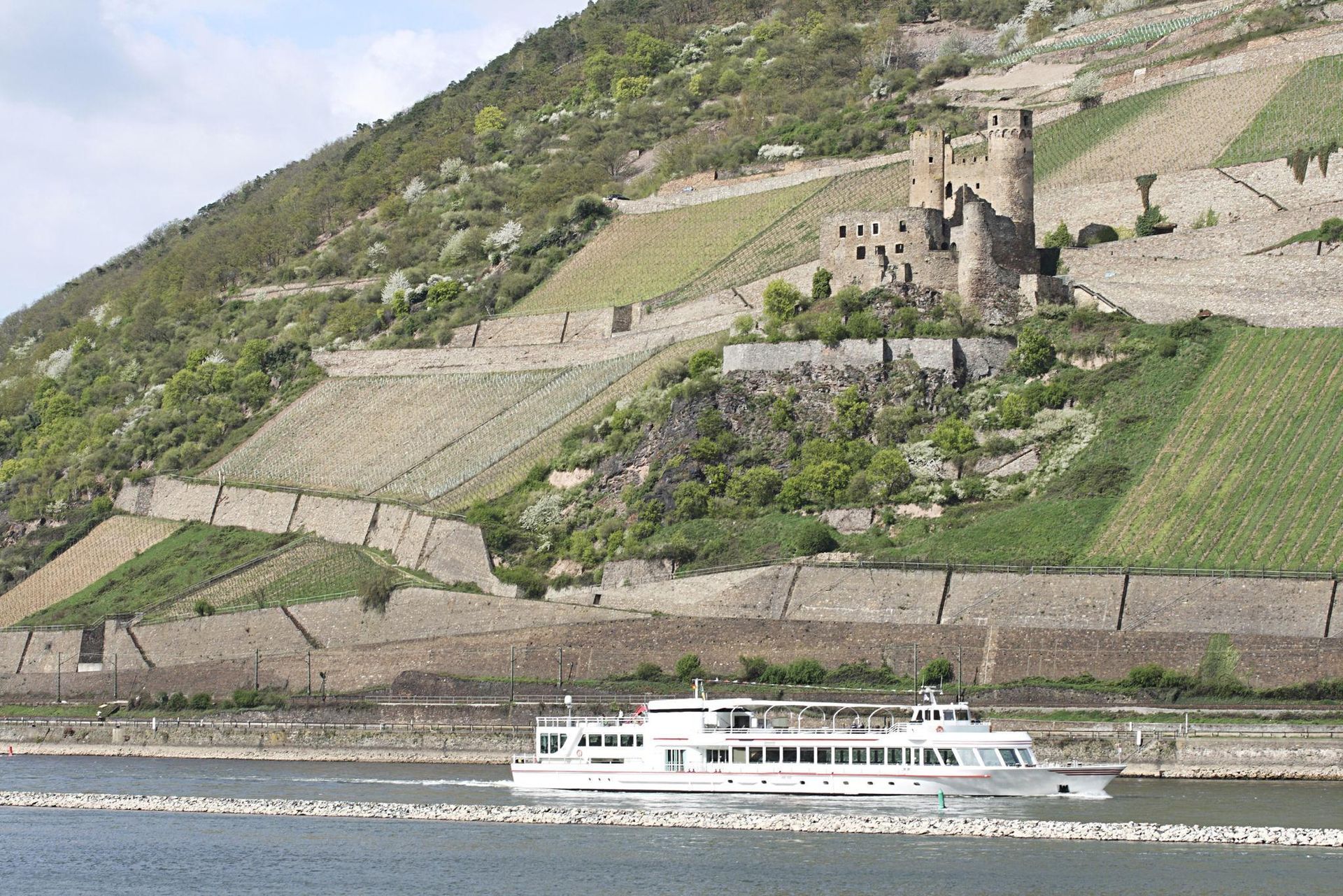
The Rhine flows through Germany, France, and the Netherlands, and a Rhine cruise feels like traveling through a storybook. You'll pass more castles than you can count—literally hundreds perch on the riverbanks, many dating back to medieval times.
The Rhine Valley, particularly in Germany, is a UNESCO World Heritage site lined with terraced vineyards. Wine tastings and vineyard visits are often included or easily arranged. You'll dock in charming wine towns like Rüdesheim and Bingen, where you can explore local Riesling producers and sample regional specialties.
Amsterdam, typically the start or end point, is a masterclass in canal-side living and Dutch culture. The Rhine route offers the perfect balance of natural beauty, cultural richness, and culinary exploration. It's ideal if you're a wine enthusiast or simply want to experience quintessential European charm.
The Seine: Paris and Normandy's Romantic Heart
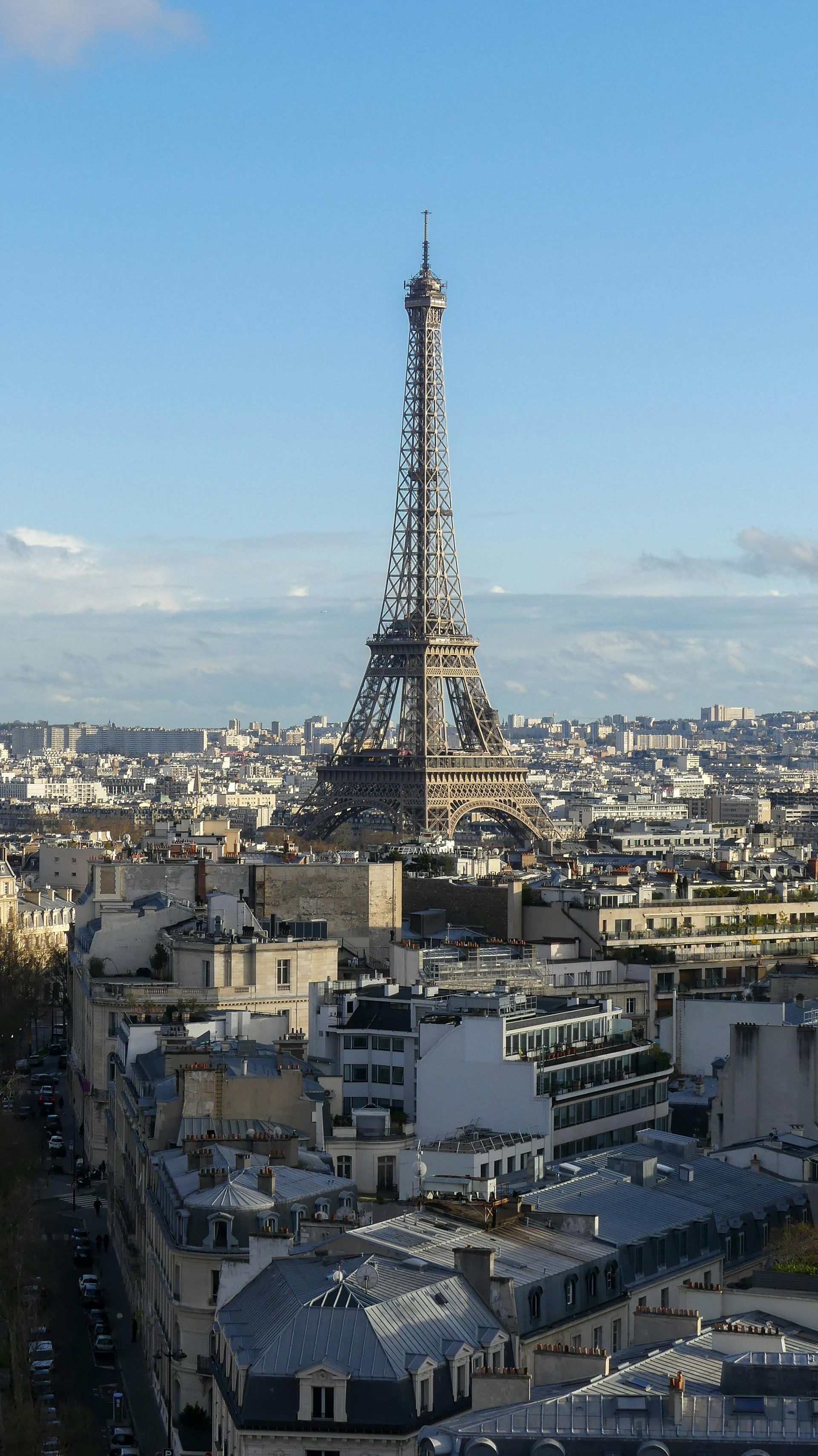
A Seine cruise is Paris extended—literally. You board in the City of Light and cruise through the Île-de-France region, visiting Normandy's landing beaches, charming riverside towns, and the impressionist gardens that inspired Monet.
This route is shorter and more intimate than the Danube or Rhine, often just 7 days, but it's densely packed with cultural significance. You'll have multiple days in Paris (enough to actually explore), visit Rouen's magnificent cathedral, and experience the Normandy coast's haunting beauty.
The Seine is perfect for first-time river cruisers, romantics, and anyone who wants to deepen their connection to Paris without the hotel-hopping. The slower pace allows you to truly absorb the region's art, history, and joie de vivre.
The Douro: Portugal's Hidden Gem
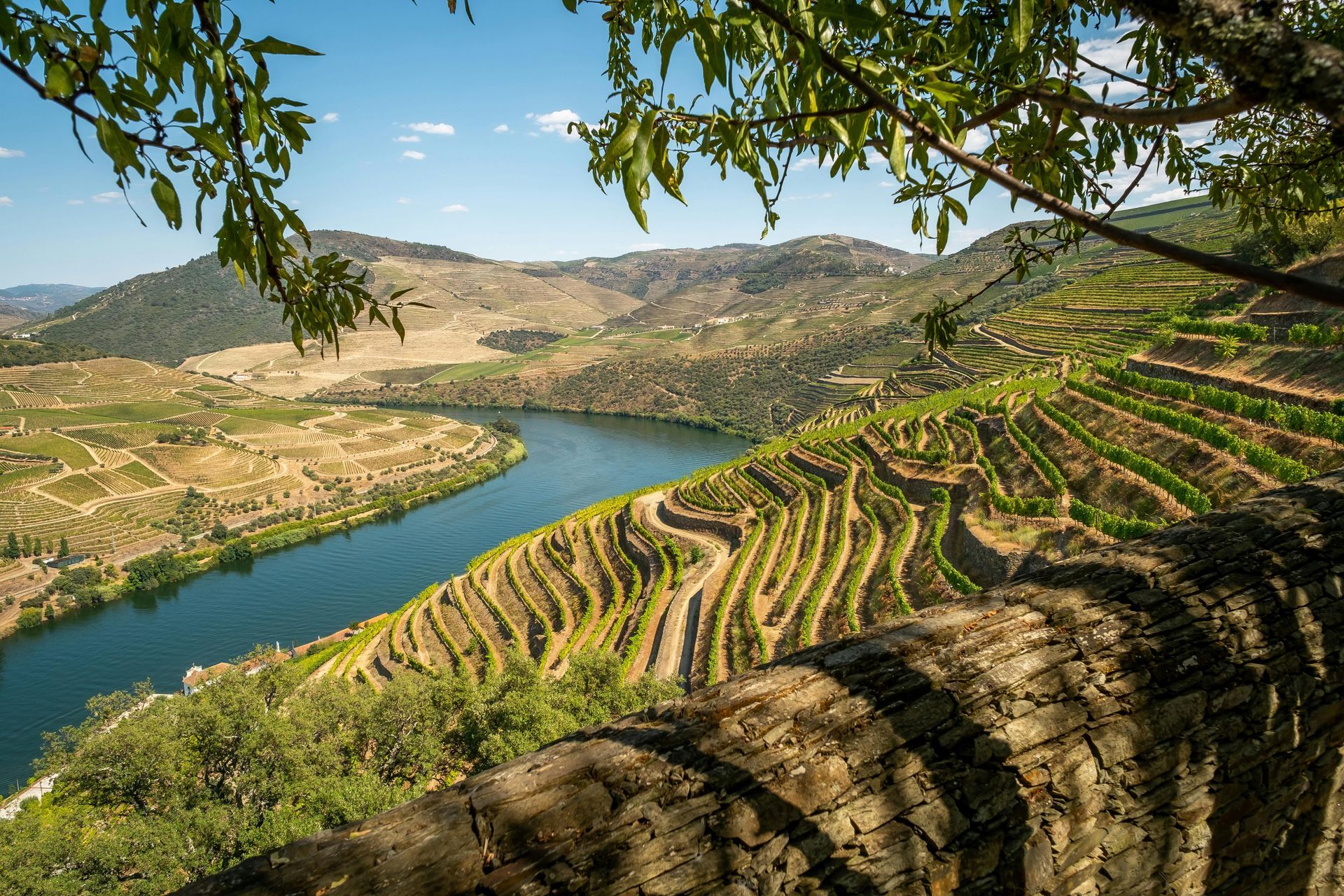
The Douro River winds through northern Portugal and into Spain, offering a less-traveled alternative to the Rhine and Danube. This route showcases terraced vineyards, dramatic gorges, and the charming riverside city of Porto.
A Douro cruise is ideal if you want to escape the crowds and experience a more off-the-beaten-path European journey. You'll visit port wine lodges, explore medieval towns, and experience Portuguese and Spanish culture with fewer tourists. The landscape is stunning—think dramatic cliffs, golden vineyards, and villages that feel frozen in time.
This route appeals to adventurous couples seeking something different and travelers who've already experienced the classic European rivers.
The Rhythm of River Cruising: Slow Travel Done Right
One of the greatest gifts of river cruising is permission to slow down. You're not rushing from port to port or trying to cram every sight into a day. Instead, you have breathing room.
A typical day might look like this: You wake as your ship arrives in a new city. You have the morning to explore independently or join a guided excursion. You return for lunch onboard, perhaps relax with a book on the sun deck, and venture out again in the afternoon. Dinner is a leisurely affair with fellow passengers and crew who've become familiar faces. You return to your cabin as the ship glides toward tomorrow's destination.
This rhythm allows for genuine cultural immersion. You're not just checking off landmarks; you're sitting in a café, observing local life, having conversations. You're noticing details—the way light falls on a church facade, the specific flavor of a regional dish, the warmth of people who live in these places.
For couples, this pace is relationship-enhancing. You have time together without the stress of logistics. You have time apart if you want it. You have structured activities if you seek them and freedom if you don't. It's travel designed for connection.
Dining and Cultural Immersion: The Soul of River Cruising
River cruises excel at introducing you to regional food culture. Dining isn't just a meal; it's an education.
Many lines offer cooking demonstrations featuring local chefs preparing regional specialties. Wine tastings introduce you to the wine regions you're traveling through—a Rhine cruise includes Riesling tastings, a Douro cruise showcases port wine, a Danube cruise might feature Hungarian wines. These aren't stuffy affairs; they're relaxed, educational, and delicious.
Excursions often include food experiences—visiting a traditional market in Budapest, touring a wine estate in Bordeaux, enjoying a cooking class in a small Portuguese village. You're tasting food in its context, learning from locals, and understanding how geography and culture shape cuisine.
Many river cruises also include regional meals onboard. Themed dinners celebrate the country or region you're in that evening. The kitchen sources local ingredients at each port, so menus change throughout your journey. This commitment to place-based dining elevates the experience beyond typical cruise fare.
Practical Tips for Your River Cruise Adventure
Book during shoulder seasons. Spring (April-May) and fall (September-October) offer perfect weather, fewer crowds, and often better pricing than summer. You'll still have long daylight hours and comfortable temperatures.
Pack light. River cabins are smaller than ocean cruise cabins. Aim for a carry-on-sized suitcase plus a small daypack. You'll thank yourself when navigating charming European streets.
Wear comfortable walking shoes. Excursions involve exploration, and European cities have cobblestone streets. Good shoes are essential.
Embrace guided excursions. While independent exploration is wonderful, guided tours often provide context and access you wouldn't get alone. Consider mixing both.
Budget for extras. Most river cruises are all-inclusive, but you may want to budget for independent meals, shopping, or optional excursions not included in your package.
Consider travel insurance. River cruises operate on fixed schedules. Travel insurance protects you if illness or emergencies arise.
The Takeaway: Why River Cruising Captivates
European river cruising isn't about checking destinations off a list. It's about experiencing a region deeply, at a human pace, with all the comfort and convenience of a hotel that moves with you.
It's about waking up in Vienna and having time to actually know it. It's about sipping local wine while watching castles pass your window. It's about conversations with fellow travelers that extend beyond the cruise. It's about the crew learning your coffee order. It's about travel that feels both luxurious and authentic.
Whether you're celebrating an anniversary, marking a milestone, or simply ready for a travel experience that nourishes your soul, a European river cruise delivers on a profound level.
Ready to Start Your River Cruise Journey?
The magic of river cruising is best experienced firsthand, and the planning process should be just as thoughtful as the journey itself. At Best Life Travel, we specialize in curating personalized river cruise itineraries that match your interests, travel style, and dreams.
Whether you're drawn to the imperial grandeur of the Danube, the wine-soaked valleys of the Rhine, the romantic charm of the Seine, or the hidden beauty of the Douro, we'll help you design a journey that feels uniquely yours.
Ready to explore Europe from the water? Reach out to schedule a personalized consultation. We'll discuss your travel style, must-see destinations, and dream experiences—then craft an itinerary that exceeds expectations. Your river cruise adventure is waiting.